TL;DR: In 2026, building an MVP is no longer about shipping "half-baked" software. It’s about focusing on a core value proposition using AI-native workflows to achieve speed without sacrificing quality. This guide covers everything from validating your idea without code to technical architecture and the MoSCoW method for feature prioritization.
---
The startup landscape of 2026 is faster, noisier, and more competitive than ever. The old-school mantra of "move fast and break things" has evolved. Today, if you break too much, you lose user trust before you’ve even had a chance to pivot.
If you’re wondering how to build an MVP for a startup today, you need to understand that the "Minimum" in Minimum Viable Product has changed. Users are no longer willing to tolerate clunky, "prototype-y" interfaces. They expect polish, even in version 0.1.
At Netling Digital, we’ve refined the art of startup mvp development into a high-craft science. We don't just build apps; we build foundations. Here is your comprehensive guide to navigating MVP development in the AI-native era.
---
1. The 2026 Mindset: 'Minimum' vs 'Viable'
The biggest mistake founders make is leaning too hard on "Minimum" and forgetting about "Viable."
- Minimum: The smallest set of features that can be built.
- Viable: A product that provides enough value that users are willing to pay for it (or at least give you their time and data).
In 2026, "Viable" includes a certain level of engineering craft. With AI-assisted design and development, there is no longer an excuse for a poor user experience. Your MVP needs to solve one problem exceptionally well, rather than five problems poorly.
Think of your MVP as the thin end of a wedge. It needs to be sharp enough to break into the market. If it’s too "minimum," it’s blunt. If it’s too feature-heavy, it’s too thick to penetrate.
---
2. Validating the Idea (Before You Write a Line of Code)
Before you search for a custom software development company, you must validate your assumptions. Coding is the most expensive way to realize you're building something nobody wants.
The Problem Discovery Phase
Don't ask people "Would you use this?" Everyone will say yes to be polite. Instead, ask about their past behavior:
- "When was the last time you dealt with [Problem X]?"
- "How are you solving it right now?"
- "What do you hate about your current solution?"
Smoke Testing & Concierge MVPs
You can validate a concept with a landing page and an ad spend of $500. If people click "Sign Up" for a product that doesn't exist yet, you have a signal. Alternatively, use a "Concierge" approach where a human (you) does the work manually behind the scenes while the user interacts with a simple interface.
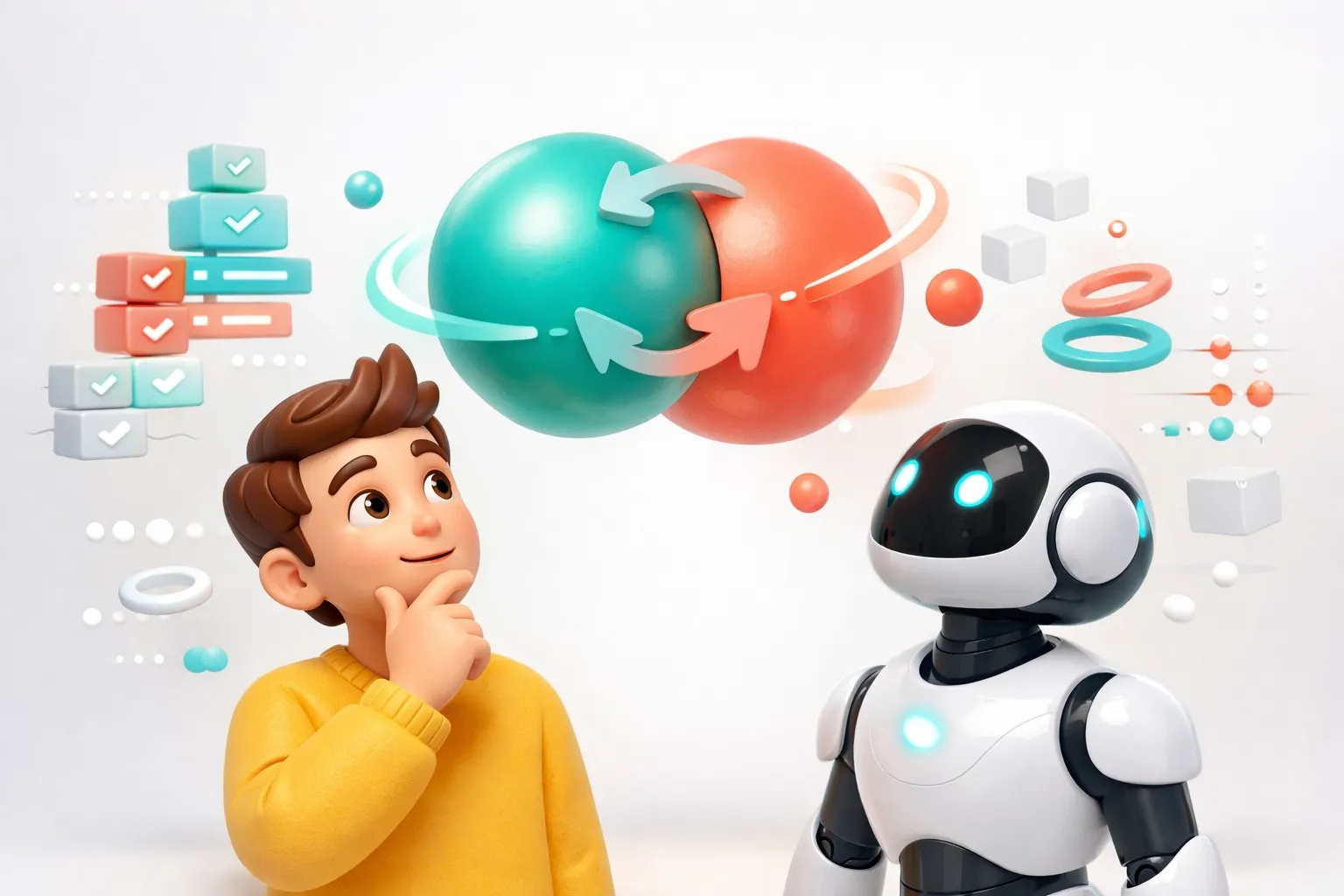
Visual: A human character interviewing an AI character or looking at 3D data loops representing user feedback, styled in 3D claymorphism with Coral and Teal accents.
---
3. Feature Prioritization: The MoSCoW Method
Once you have validation, it’s time to define the scope. We recommend the MoSCoW method to keep mvp development for startups lean and focused.
- Must-Have: Non-negotiable features. Without these, the product doesn't function (e.g., a payment gateway for an e-commerce app).
- Should-Have: Important but not vital for launch. These can be the first items in the next sprint.
- Could-Have: "Nice to have" features that add polish but don't solve the core problem.
- Won't-Have: Features that are explicitly excluded from the first release to prevent scope creep.
What to cut immediately: In our experience, most startups can launch without:
- Advanced admin dashboards (use database viewers instead).
- Multi-language support (start with one).
- Complex social sharing integrations.
- "Perfect" automated onboarding flows (manual support works at scale 1).
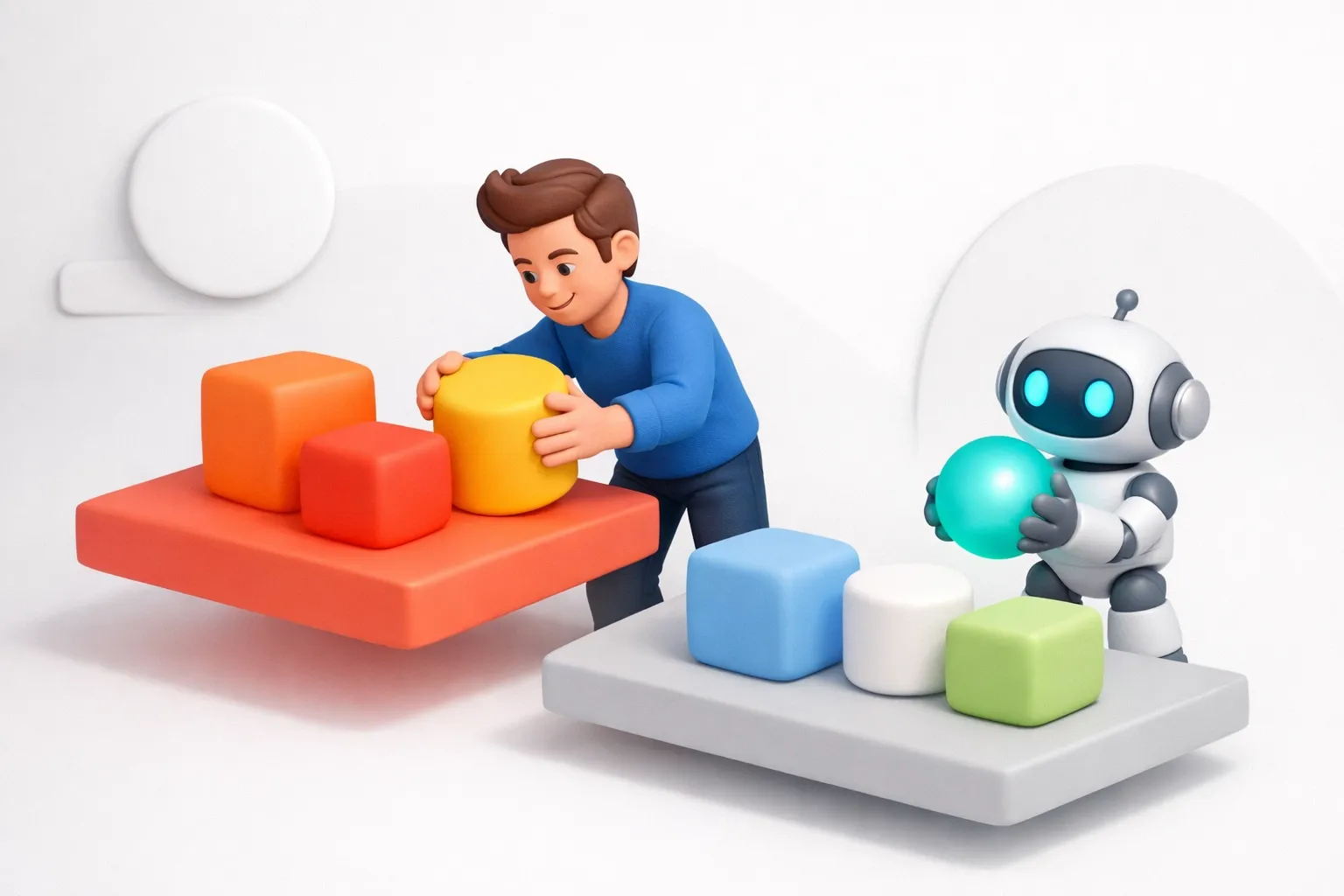
Visual: A human character sorting 3D blocks (labeled with feature icons) into bins, representing the MoSCoW method. 3D claymorphism style.
---
4. Technical Architecture: The AI-Native Advantage
This is where the 2026 approach differs from the 2020 approach. Traditional development is slow because it relies on manual boilerplate. At Netling Digital, we utilize AI-native workflows to skip the boring stuff.
Why AI-Native?
- Speed: We can generate complex architectures and boilerplate code in hours, not weeks.
- Consistency: AI-assisted linting and architecture checks ensure "clean architecture" from day one.
- Scalability: Even though it’s an MVP, the foundation is built using modern stacks (like Next.js, FastAPI, or Rust) that can handle growth.
When you build an AI-native MVP, you aren't just building a product; you're building an asset that can be easily handed over to an in-house team or scaled by us later.
---
5. The Build Phase: Speed vs. Quality
The "Build" phase is a balancing act. You need to ship fast to get data, but you need to ship quality to get users.
The Netling Engineering Craft
We believe in "Bespoke" development. While we use AI to accelerate, the final product is meticulously reviewed by human engineers. This ensures that the logic is sound and the UI is pixel-perfect.
Our typical MVP timeline:
- Discovery (1 Week): Finalizing the MoSCoW list and user flows.
- Design (2 Weeks): High-fidelity 3D claymorphism or modern UI sets.
- Development (4-8 Weeks): Utilizing AI-native workflows for rapid iteration.
- Testing & QA (1 Week): Ensuring stability and security.
Visual: A human and a robot character working together on a glowing 3D blueprint of an application structure. Professional, high-craft aesthetic.

---
6. Post-Launch: Measuring Success and Pivoting
Your MVP is a learning tool. Once it’s live, the real work begins. You need to track metrics that actually matter, not vanity metrics like "Total Registered Users."
Focus on:
- Retention Rate: Do users come back on Day 30?
- Conversion Rate: Are they performing the "Core Action"?
- Net Promoter Score (NPS): Would they be "very disappointed" if the product disappeared?
If the data shows your core assumption was wrong, don't be afraid to pivot. The beauty of a lean MVP is that you haven't spent your entire seed round on a failing idea. You have the runway left to adjust.
---
7. Netling Digital's Unique Approach
Why do startups choose Netling Digital as their custom software development company? Because we act as your fractional CTO and engineering team, not just a "vendor."
- No Hidden Overhead: We provide clear, transparent pricing and timelines.
- Proactive Communication: We don’t wait for you to find bugs; we find them first.
- Modern Tech Stack: We leverage the latest in AI and cloud infrastructure. Check our technology stack for more details.
We’ve moved beyond the traditional agency model. By integrating AI agents into our studio workflows, we deliver better code at a pace that was impossible two years ago.
---
Final Thoughts
Building an MVP in 2026 is an exercise in focus. It requires the discipline to say "no" to good ideas so you can say "yes" to the one great idea that defines your startup.
If you're ready to transform your vision into a high-performance product, we're here to help you navigate the journey from Discovery to Launch.
Ready to build? Contact us today and let’s talk about your MVP.
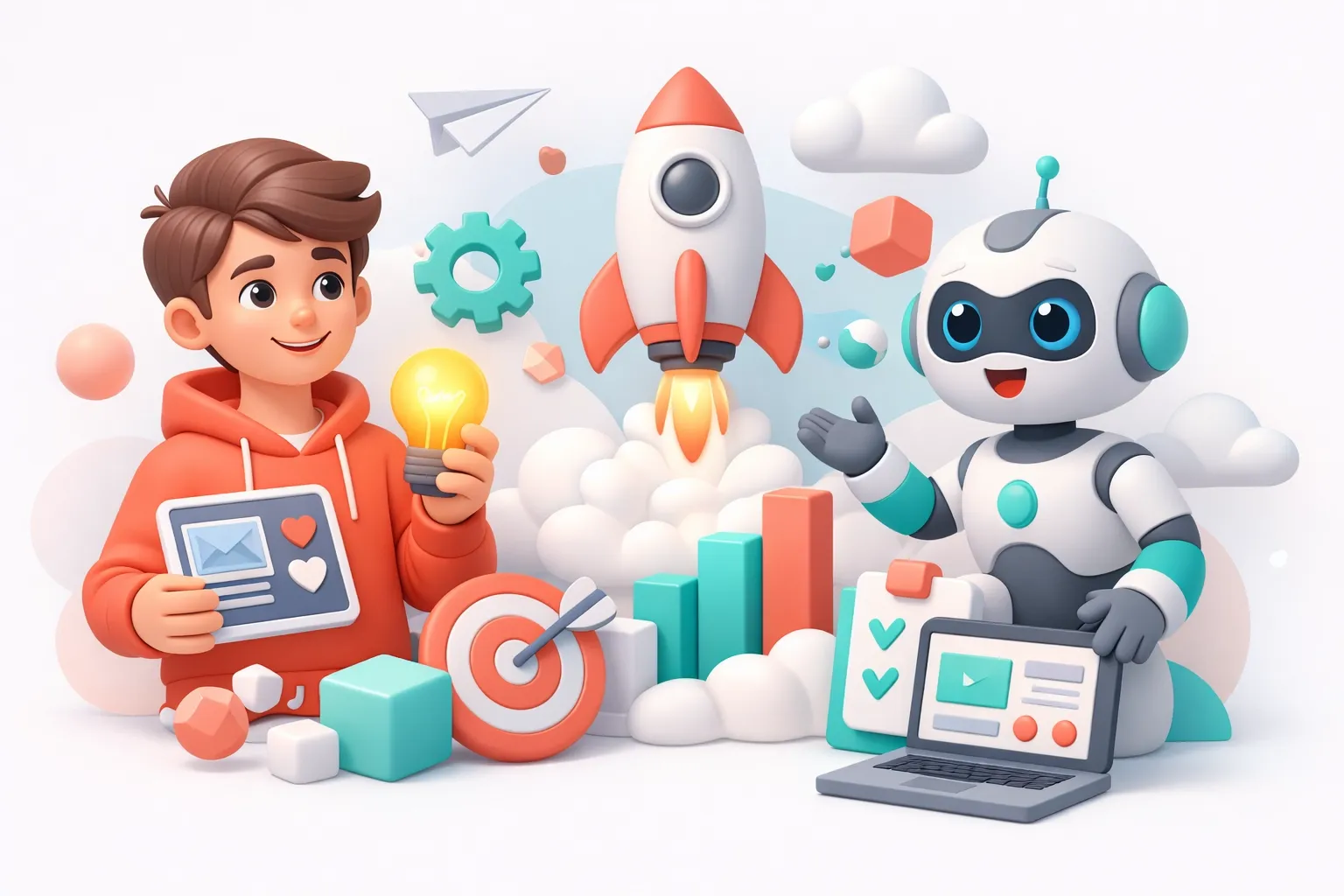
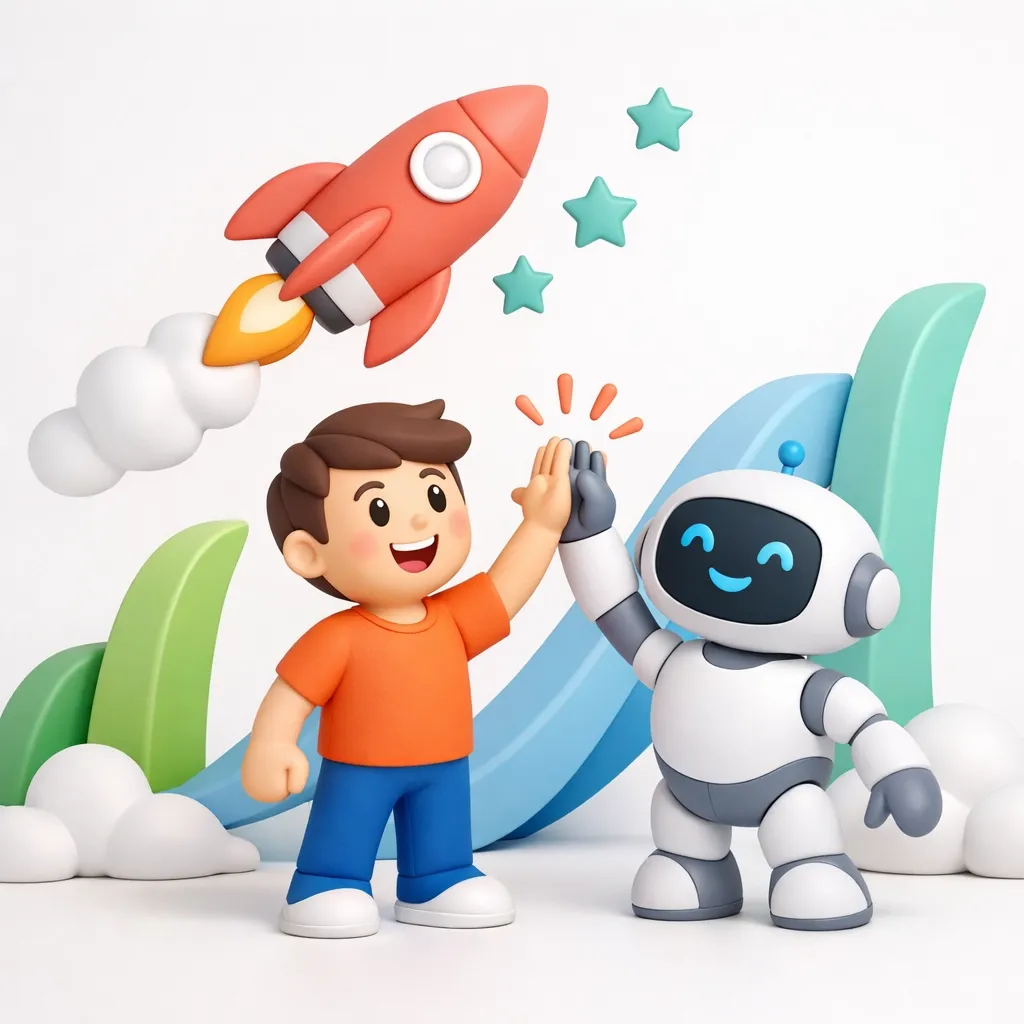
Visual: Human and Robot characters high-fiving in front of a successful 3D rocket launch (representing a product launch), with Teal and Coral growth charts in the background.
More Articles
Continue reading from our engineering blog.
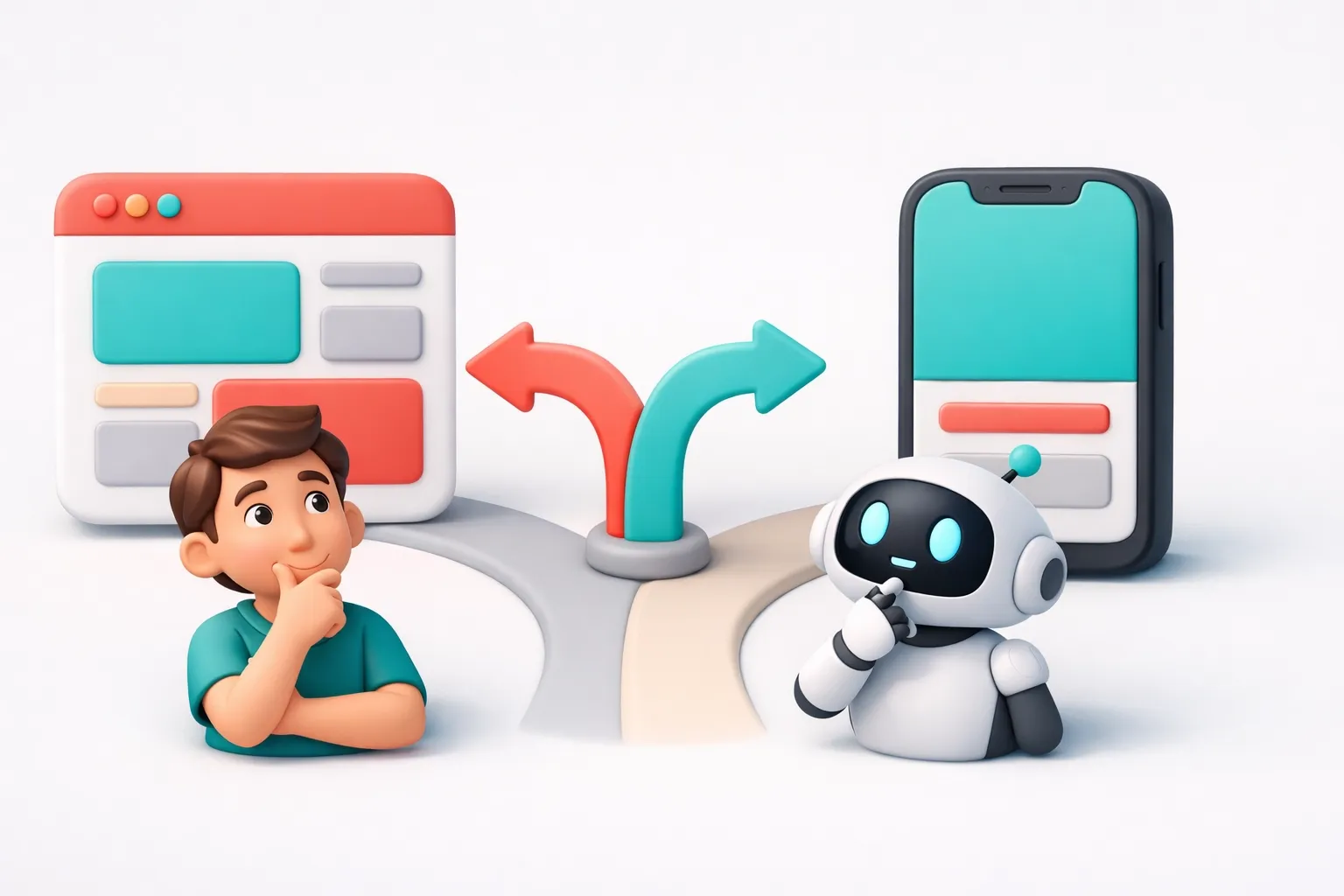
Web App vs Mobile App: Which Should You Build First?
Is the "Mobile First" mantra still relevant? We compare web apps vs. native mobile apps across cost, speed, and UX to help founders make the right strategic bet.

From Chaos to Clarity: A Masterclass in Requirement Elicitation for Complex Custom Software
Most software projects don't fail because of bad code; they fail because of misunderstood requirements. This masterclass breaks down the framework for turning chaotic visions into precise technical blueprints.

How to Choose a Custom Software Development Company in 2026: The AI-Native Guide
In 2026, the traditional outsourcing model is dead. To stay competitive, you need a custom software development company that leverages AI-native workflows and high-level engineering craft. Here’s your 2000-word masterclass on choosing the right partner.